

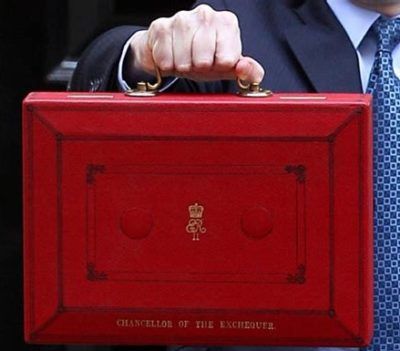
Labour’s first Budget under Prime Minister Andy Burnham and Chancellor John Healey is built around a simple political proposition: families and businesses need immediate relief from global shocks, while government must begin the longer work of fixing an economy that has too often failed to deliver growth beyond London and the south-east.reuters+1
James Murray, financial secretary to the Treasury, framed the package for members as “breathing space” combined with structural reform. The government’s argument is that global instability — including conflict in the Middle East and Ukraine — is pushing up energy and other costs, but that Britain is not powerless to respond.
Immediate support for households
The most visible measure is a £100 Household Energy Payment in January for households in council tax bands A to D, reaching roughly 20 million homes in England, with equivalent funding for Scotland, Wales and Northern Ireland. The government expects this to put money directly into people’s accounts as energy pressures persist into next year.
The VAT cut on electricity is extended until July, which the Treasury says will reduce the annual price cap by about £50. Fuel duty is also frozen, with the existing 5p cut extended until July 2027.
Other measures aim at everyday costs: tariffs are removed from more than 100 imported goods, including food items and fertiliser; the 55p tax-free mileage rate is made permanent for the first 10,000 business miles; and the higher rate rises from 25p to 35p beyond that. The minimum wage and National Living Wage rise by 3.9%, benefiting 2.3 million lower-paid workers.
There are also changes with a distinctly Labour character: unpaid carers will no longer lose their entire Carer’s Allowance after crossing the earnings limit, with a taper replacing the “cliff edge”; and parental pay is extended to more than 150,000 additional parents, including self-employed fathers and partners.
Help for high streets and industry
For businesses, the centrepiece is a two-year freeze in real-terms business rates bills for retail, hospitality and leisure properties. The small business rates relief threshold rises from £12,000 to £18,000, taking 70,000 smaller premises out of business rates altogether.
Energy-intensive firms also receive support: 10,000 businesses will see electricity bills cut by 25% from April, with the relief backdated to cover costs in the current financial year. The government is presenting this as protection for manufacturers and other firms facing the sharpest exposure to international energy prices.
The funding is partly paid for through a temporary increase in the banking surcharge from 3% to 6%, alongside tighter tax collection from online marketplaces and higher gambling-machine duties. That reflects the Budget’s broader aim: protect high-street businesses and working households while asking sectors with greater capacity to contribute.
Rewiring energy and the state
Beyond short-term relief, ministers are stressing three long-term reforms: energy, fiscal devolution and entrepreneurship.
On energy, the Budget commits to removing standing charges from household gas bills and introducing a new cost-control framework to prevent levies being layered onto bills. The longer-term ambition is to break the link between gas prices and electricity prices, which ministers argue keeps UK bills higher than in much of Europe.
On devolution, the fiscal devolution roadmap gives mayors and local leaders a greater share of income tax revenue and business rates, alongside powers over a visitor levy. From next year, 20% of business rates revenue will go to mayors, with the government aiming for full local retention by the end of the decade.
Murray’s case is that Whitehall cannot best judge every local investment need. The intention is to give mayors and councils the resources to invest in transport, infrastructure and local economic priorities — a policy with obvious appeal to members who have long argued for power and investment to move out of Westminster.
Housing, defence and care
The Budget also addresses several long-standing national failures. An extra £1.5bn for social and affordable housing takes the decade-long investment programme beyond £40bn, which Labour describes as the biggest investment in a generation. A new Your First Home scheme offers first-time buyers a 20% equity loan with a minimum 2.5% deposit.
The government has also committed funding to get rough sleepers off the streets by Christmas, with £432m directed towards that goal.
On defence, the Chancellor says the defence investment plan is now fully funded, with targets of 3% of GDP by 2030 and 3.5% by 2035. An innovative finance task force is intended to mobilise private capital while ensuring defence spending supports British industry and jobs.labourlist
Social care remains one of the hardest tests. The government is proposing changes to the triple lock to help fund a national care service over time — a difficult but, in the party’s view, necessary step after years in which the issue has been deferred.
What comes next
The Budget is designed as the first stage of a longer governing programme. Burnham’s 10-year plan will set out the government’s priorities, before feeding into next year’s spending review, which will allocate departmental and devolved budgets for the following decade.
For members, the political message is clear: this is not a Budget of grand, unfunded promises. It combines immediate help with energy bills, wages and high streets; begins to shift power and investment towards local communities; and starts work on housing, care, employment and defence. The challenge now is delivery — turning a credible first Budget into the visible change members were elected to deliver.